
Ebola Outbreak in Eastern Congo
May 19, 2026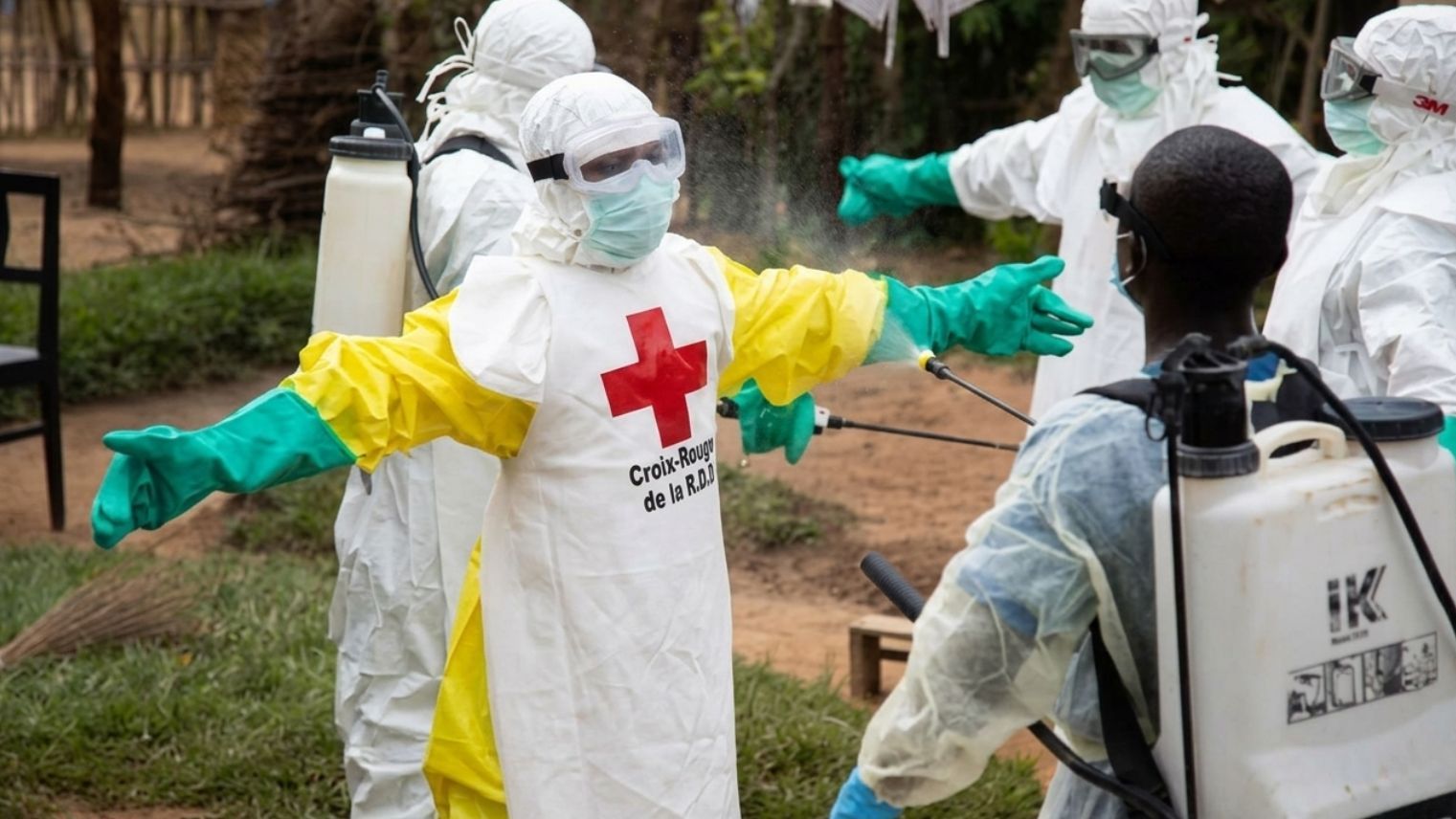
What We Know About the May 2026 Epidemic
Introduction
A new Ebola outbreak has been confirmed in the eastern Democratic Republic of Congo in May 2026. The outbreak, caused by the Bundibugyo strain of the Ebola virus, was first reported in Ituri Province on May 15, 2026. As of May 18, 2026, the World Health Organization has declared the outbreak a public health emergency of international concern. Cases have also been confirmed in Uganda, raising concerns about regional spread.
The Outbreak: Timeline and Location
The earliest suspected case of the epidemic was a man who began experiencing symptoms on April 24, 2026, and died three days later. The WHO was alerted to a potential Ebola outbreak on May 5, 2026, and dispatched a response team. Initial samples tested negative for Ebola because the tests used only detected Zaire ebolavirus, not the Bundibugyo ebolavirus. Tests that detect the Bundibugyo ebolavirus were later used, with the first positive tests being confirmed on May 14, 2026.
Congolese health authorities confirmed the outbreak on May 15, 2026. The outbreak was first reported in Ituri Province, located more than 620 miles from Congo's capital of Kinshasa and bordering Uganda and South Sudan. Health experts were alarmed that the outbreak had progressed to have hundreds of suspected cases by the time it was first officially reported.
The cases have been recorded mainly in three health zones: Bunia, Rwampara, and Mongwalu in Ituri Province, as well as in North Kivu Province. A case was also confirmed in Kinshasa, the capital city. Additionally, a woman infected with Ebola traveled from Ituri to Goma, a city in North Kivu Province currently under control by the M23, after which a positive case was confirmed in Goma. Two confirmed cases have also been reported in Uganda, including one death.
Updated Case Numbers (As of May 18, 2026)
Government spokesperson Patrick Muyaya announced updated figures during a press briefing held Monday, May 18, 2026, in Kinshasa. The situation has escalated dramatically in just three days:
At least 118 deaths have been reported across Ituri and North Kivu provinces.
435 suspected cases of Ebola virus disease have been confirmed.
These updated numbers represent a significant increase from earlier reports, indicating rapid spread of the outbreak across the affected regions.
The World Health Organization has cautioned that ongoing surveillance and testing are still underway, meaning the actual number of infections could be even higher than current estimates.
The Virus: Bundibugyo Ebolavirus
The outbreak is caused by the Bundibugyo strain of the Ebola virus, not the more commonly known Zaire strain. This is a critical point because the Bundibugyo ebolavirus has no approved vaccine, according to the Africa Centres for Disease Control and Prevention.
Ebola is transmitted through blood and other bodily fluids, as well as contaminated surfaces. The virus is highly contagious and can be contracted through bodily fluids such as vomit, blood, or semen. The disease is rare but severe, and often fatal.
Symptoms of Ebola virus disease include fever, bleeding, vomiting, and severe weakness. The suspected index case was a nurse who died at the Evangelical Medical Centre in Bunia after showing these symptoms.
International Response and Humanitarian Challenges
On May 17, 2026, the World Health Organization declared the outbreak a public health emergency of international concern. WHO Director-General Tedros Adhanom Ghebreyesus stressed that the outbreak does not meet the criteria of a pandemic emergency and advised countries against closing their borders.
The Centers for Disease Control and Prevention (CDC) has mobilized response activities following confirmation of the outbreak. The CDC has extensive experience and some of the world's foremost experts in supporting Ebola response operations in the region. Currently, there are over 30 CDC staff members in the DRC country office, with more workers being deployed.
The DRC government has activated its public health emergency operations center in response to the outbreak. Health officials are working to contain the outbreak and prevent further spread of Ebola.
However, significant humanitarian challenges are impeding the response. The international airport in Goma has been closed, severely restricting the flow of humanitarian aid and medical supplies to affected populations. Health experts warn that without rapid reopening of Goma airport for humanitarian assistance, case numbers will rise sharply as supplies and personnel cannot reach those in need.
Additionally, the border between Rwanda and Goma has been closed, further limiting the movement of aid and potentially hampering coordinated regional response efforts.
United States Aid Withdrawal
The humanitarian crisis has been compounded by a significant development: the United States has ceased all USAID (United States Agency for International Development) assistance to the region. This withdrawal of American humanitarian aid removes a critical source of support at a moment when the outbreak is rapidly spreading and resources are desperately needed.
The loss of USAID funding impacts medical supplies, healthcare worker training, epidemiological surveillance capacity, and other essential components of outbreak response. Health organizations working in the region report that the cessation of American aid significantly constrains their ability to respond effectively to the epidemic.
Challenges and Urgent Concerns
Health experts warn that several factors could dramatically accelerate the spread of the outbreak:
The closure of Goma airport restricts humanitarian aid delivery and medical personnel deployment. Rapid reopening is critical to preventing exponential case growth.
The border closure between Rwanda and Goma complicates regional response coordination and restricts aid flow.
The withdrawal of USAID removes substantial resources at a critical moment.
The lack of an approved vaccine for the Bundibugyo strain complicates prevention efforts.
The outbreak is occurring in one of the most conflict-affected regions of Congo, where healthcare infrastructure is severely weakened.
Population displacement and insecurity increase transmission risk.
Current Status
The situation remains fluid and urgent. The rapid increase in cases and deaths reported between May 15 and May 18 demonstrates how quickly the outbreak is spreading. Government spokesperson Patrick Muyaya's announcement of 118 deaths and 435 suspected cases represents a critical escalation that demands immediate international action.
The outbreak comes as the DRC recently ended a previous Ebola outbreak in December 2025, demonstrating the country's ongoing vulnerability to such epidemics.
Conclusion
The May 2026 Ebola outbreak caused by the Bundibugyo strain has escalated dramatically, with 118 deaths and 435 suspected cases reported across Ituri and North Kivu provinces as of May 18, 2026. The outbreak has been declared a public health emergency of international concern. However, critical challenges - including airport closure restricting humanitarian aid, border closure limiting response coordination, withdrawal of United States aid, and the lack of an approved vaccine - threaten to further accelerate transmission. International response efforts are underway, but health experts warn that without rapid action to reopen aid corridors and restore humanitarian support, case numbers will continue to rise sharply.
------------------
Team Congo is an NGO supporting communities in Congo through education, support for survivors of sexual violence, and social and economic development projects. If this resonates with you, and if your means allow it, consider joining our Congo Supporters’ Circle. Thank you.
Main Sources:
CNN New Ebola outbreak in remote Congo province kills 80
CBS News Ebola outbreak in Congo kills dozens, may be hitting hundreds more, Africa's CDC says
CDC Newsroom CDC Mobilizes International Response Following Ebola Disease Outbreak in DRC and Uganda
NPR World Health Organization declares Ebola outbreak in Congo a global health emergency
Al Jazeera WHO declares Ebola outbreak in DR Congo, Uganda a global health emergency
World Health Organization WHO Disease Outbreak News (May 2026)
Africa Centres for Disease Control and Prevention Ebola Outbreak Situation Reports
Reuters Ebola outbreak confirmed in eastern Congo, cases spread to Uganda (May 17-18, 2026)
The Lancet Bundibugyo Ebolavirus: Clinical and Epidemiological Overview
Radio Okapi Ebola outbreak in eastern Congo: Updates and government briefings
APA News Ebola epidemic spreads in DRC: 118 deaths, 435 suspected cases (May 18, 2026)